
Exploring the Art and Science of Form in Design
- colefraser1984
- May 31, 2025
- 3 min read
I have a strong passion for plants and flowers, and I am fascinated by the process of transforming spaces into functional, aesthetically pleasing, organized, and thoughtful environments. If you're designing your own garden sanctuary, I hope this brief discussion on form helps you in crafting your outdoor areas or provides some inspiration and consideration for your own design. One of my favourite tips for planning your new garden is to observe the vigorous, healthy plants thriving in your neighborhood. This can often reveal what types of plants your environment supports, give you insight into the garden pests present in the area, or alert you to what to avoid!
While environmental assessment is obviously more complex, it provides a general idea of how your own garden can fit in, stand out, or become a community gem. However, today I am going to focus on a very important design element: FORM!
Design is built on several fundamental elements, with form being especially important as it represents the main visual aspect of a landscape. It is where a shape gains dimension. I've spent countless days appreciating Victoria's numerous parks, gardens, and outdoor areas. The natural shapes and forms provided by plants are remarkable, and their use in design offer numerous creative possibilities to conceal unattractive objects, direct the viewer's gaze, highlight a plant, create illusions, harmonize a space, and so much more. But, lets look at some pictures I have taken around town. I think they can transform your ideas in your own gardens, and help you plan your garden haven.


Plants are remarkable due to their diverse forms. When designing your space, these forms can offer textures, capture attention, introduce interest, or create contrast in the landscape. Forms contribute dimensions to the visual plane and are essential in shaping space.

In this image, your attention is naturally drawn to the center. The weeping tree captures your gaze with its shape, adding depth and dimension. As your eyes move downward, they are led to the winter heathers and rock wall. You observe the various dimensional elements and then notice the conifers in the background.
Although other design elements like color play a role here, this picture illustrates how form functions in landscape design.

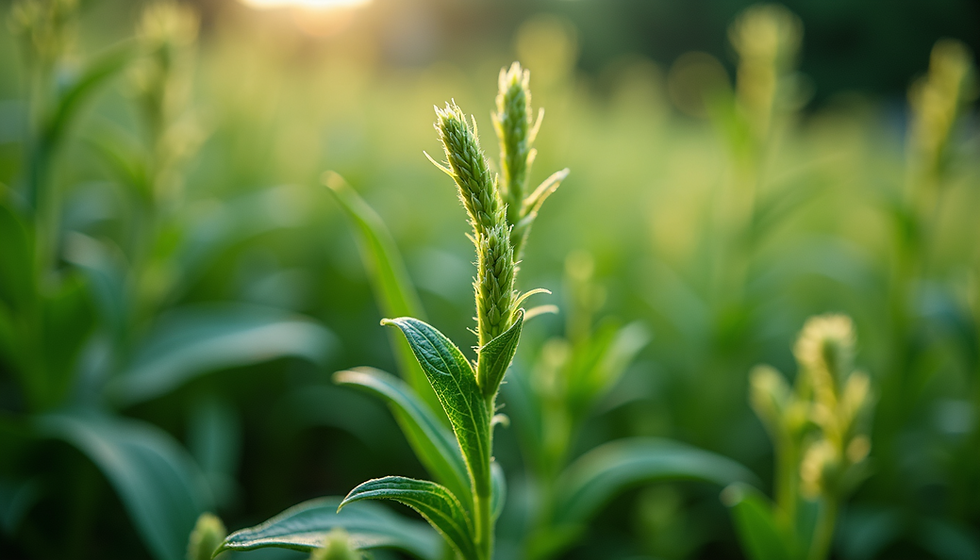
In this image, the graceful seed heads of the grass draws your eyes upward, imparting a sense of verticality to the area. Movement in the winds. Nonetheless, in actuality, this is only at the trunk level. It disillusions your perception. It conceals benches, trash cans, and other less attractive hardscape elements. This illustrates effectively how mixed forms can obscure unsightly features while creating the illusion of height and using different forms to enhance the space's dimension.

In design, form is a fantastic method to introduce dimension and intrigue. Plants have perfected this in numerous ways, from weeping types to pointed tips, blossoming umbels, and rounded clumps. But sometimes you need an elegant form to occupy a space for a period of time in your landscape.
Form is an important element in design. Mixing, and matching various forms brings design to life, adds textures, captures a view, brings harmony, or balances spaces. Visually stunning groupings can be seen all around your local parks. Hatley Castle, Beacon Hill Park, and Government House are all featured below. But pay attention to the forms, and how they create the view, draw your sight downward, or elevate to a feature!


Plants are the masters of form! They offer limitless possibilities and enhance the beauty of a landscape. I hope this brief discussion encourages you to think about how you incorporate form into your own landscapes!
Happy planting!


Comments